If this Travel Guide to Serbia founded you, you’re probably thinking about visiting? Great choice. This Balkan gem is tricky to fully explain to a first-time traveler—some things just have to be felt, tasted, touched, smelled, or seen by yourself. Serbia is definitely underrated country, but absolutely worth the trip. If you’re into ancient fortresses, mindblowing local cuisine, welcoming people, stunning nature, or famous wild nightlife that never quits—this guide is exactly what you need.
Step 1: Is Serbia Safe? Travel Safety Tips for Visiting Serbia
Short answer: yes, Serbia is safe. Like anywhere else, use common sense and stay aware of your surroundings, but violent crimes are extremely rare. Locals are known for their hospitality, warmth, and willingness to help. You’re more likely to end up sipping rakija with someone’s uncle before you even unpack your bag than to find yourself in any kind of trouble.
Worries about safety often stem from outdated memories of the conflicts in the 1990s. But modern Serbia is a peaceful, friendly place where most people speak English and mind their own business. You’re in good hands.
Step 2: Serbia Travel Requirements – Do You Need a Visa to Visit?
Visa requirements depend on your passport. If you’re from the EU, USA, UK, Canada, or Australia, you can usually enter Serbia without a visa for up to 90 days. Still, it’s smart to check the current rules early in your trip planning. Border control—especially at Belgrade airport—is usually a breeze.
Step 3: Top Places to Visit in Serbia – What to See and Do
Even a few months is not nearly enough to get to know Serbia, but here’s a solid lineup of places and experiences that capture the true soul of Serbia:
Belgrade – Must-See Stop in Your Travel Guide to Serbia
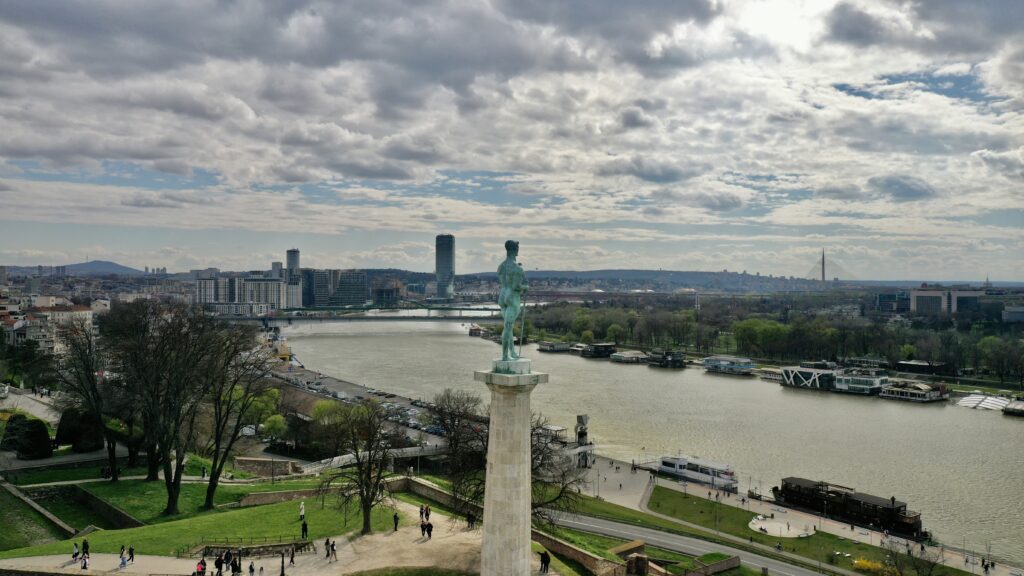
This city is the real deal. A full-on metropolis where you won’t know what to look at first—the eclectic architecture mix, the stunning blend of nature and concrete jungle, or the effortlessly cool and beautiful people. Start with Kalemegdan Fortress and the old Dorćol neighborhood. Grab some delicious lunch in Skadarlija, Belgrade’s famous bohemian quarter, cruise the Danube, or tour the city on an e-scooter while tasting local craft beers (trust us on that one—link here).
If nightlife is your thing, dive into Belgrade’s world-famous party scene. Floating clubs on the Sava and Danube rivers, old-school taverns ”kafana” with live folk music, crowded clubs and rooftop bars with sunrise views and legendary after-parties that end with a greasy burek for breakfast—it’s all here (read more on what your taste buds can’t miss in Serbia – link).
Novi Sad – What to See in Serbia’s Second City
Welcome to Serbia’s chill zone. Novi Sad, in the heart of the flat and peaceful Vojvodina region, is the country’s second-largest city—but it couldn’t feel more different from just 100 km away Belgrade. After the capital’s jungle buzz, there are not much to do that hits better than lazing in the sun at the Štrand, a sandy beach lined with cafes and fun zones for all ages.
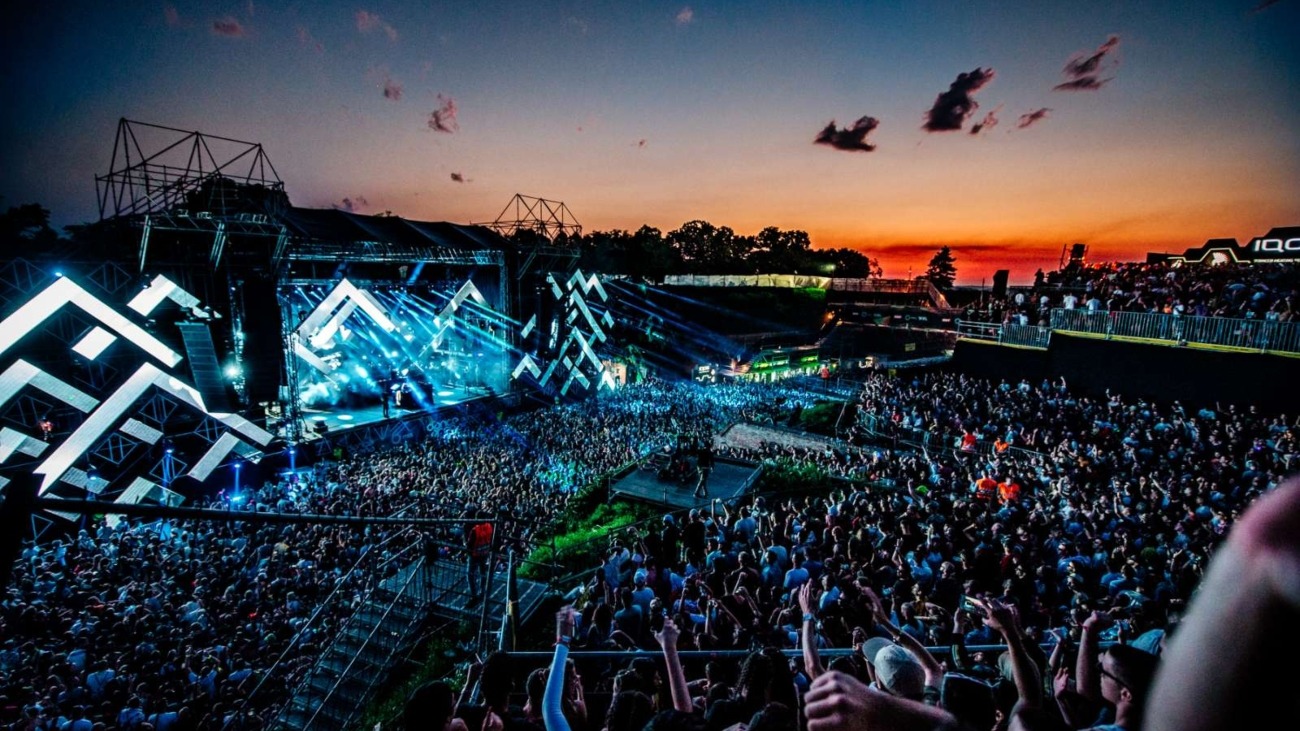
In July, Petrovaradin Fortress hosts the world-famous Exit Festival. Massive stages, a global crowd, and top-tier DJs turning this laid-back city into the biggest open-air party in the region.
Zlatibor & Tara – Nature Escapes and Things to Do in Serbia
Clean mountain air, comfort food that’ll ruin your diet, wide green fields, forests, rivers, lakes, and hosts that treat you like royalty. That’s western Serbia. Tara is a pine-covered hiker’s paradise—maybe you’ll even spot a bear if you are lucky enough (sweet teddy kind, not the dangerous one). Zlatibor is Serbia’s most popular mountain resort that offers a lot of family activities, spas, luxury hotels, rustic wooden cabins, and, yes, the legendary komplet lepinja- a local breakfast dish that’s worth the trip all by itself.
Đavolja Varoš – Serbia’s Bizarre Natural Wonder and Unique Place to Visit in Serbia
Strange, a little eerie rock formations on the slopes of Radan mountain that are making atmosphere like you are at completely different planet. This rare natural phenomenon (and former candidate for the Seven Wonders of the World) was shaped by vulcanic activity- or, as the local legend has it, by divine puishment. The story goes that sinful wedding guests were turned to stone by the power of God. You decide what to believe in this magical place. Either way, it’s unforgettable.
Šargan Eight Railway & Drvengrad- All Aboard the Time Machine
If you’ve ever wanted to take a panoramic train ride through the mountains, this is the one.
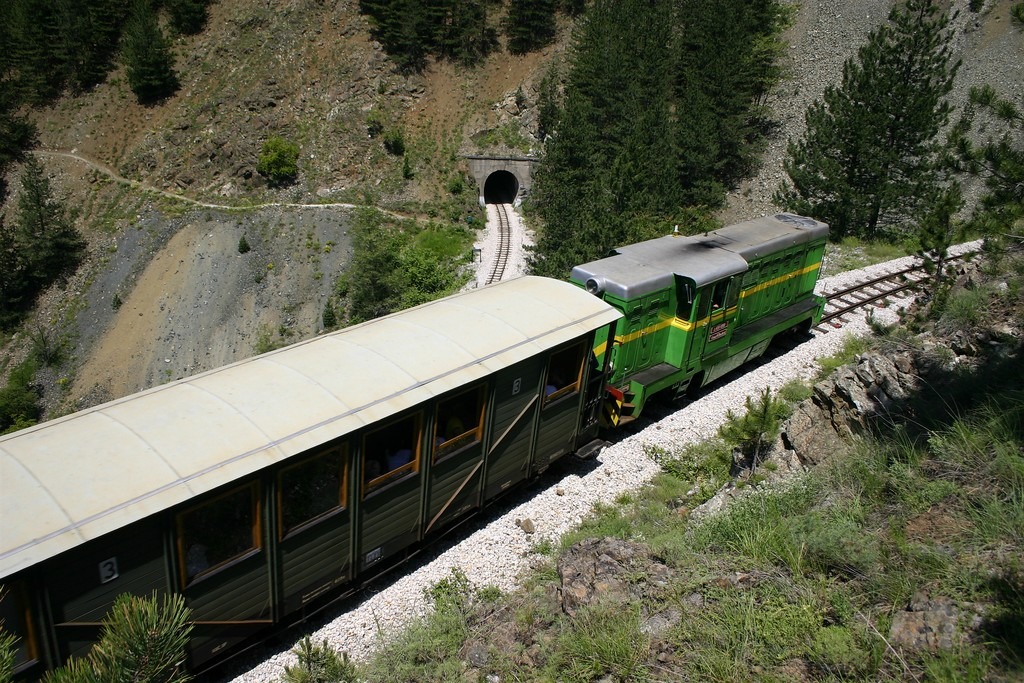
Šargan Eight is not just a catchy name—it’s the actual shape the track makes as it loops, climbs, and twists through the hills of western Serbia. Back in the day, it connected Belgrade to Sarajevo. Now, it’s a fully restored museum railway that runs more for the joy of it than for speed (you won’t be getting anywhere fast—but that’s the point).
The ride lasts about 1.5 to 2 hours, depending on the season, with a few photo stops along the way. You can lean out the window, feel the wind from the tunnels, and breathe in that crisp mountain air that smells like pine and nostalgia. It’s slow travel at its finest, complete with wooden wagons, squeaky tracks, and views that don’t need filters.
Right nearby is Drvengrad—a handmade wooden village built by Serbian filmmaker Emir Kusturica. It’s part open-air museum, part film set, part mountain escape, with cobblestone streets, a tiny cinema, cafes, and goats walking around like they own the place. It’s charming, a little odd, and exactly where you’d want to be after a ride like that.
Golubac Fortress – A Castle With a View
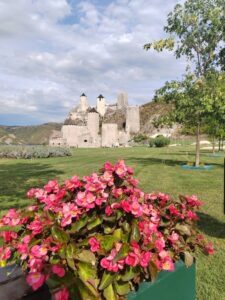
If you ever wanted to feel like a character from Game of Thrones, this is your spot. Golubac Fortress was never taken by force- not once in centuries of turbulent history. Perched at the very entrance to the Iron Gates, built directly into the rock, with multiple defensive layers and towers placed at impossible angles, this breath taking fortress was disigned to withstand attack and every stone has a legend.
Believed to have been constructed by the Serbs in the 13th century, and later held by the Ottomans, Golubac was a fortress of strategy—not chaos. While other strongholds fell to cannons and sieges, this one remained untouched by battle. Every shift in control came through treaties, politics, and royal signatures—not war.
Its name comes from the Serbian word for pigeon, golub, inspired either by the way the towers looked from the water—or by a darker legend. One tale speaks of a girl named Golubana, who refused the love of an Ottoman commander. As punishment, she was tied to a rock in the middle of the river and left to die. That rock, “Babakaj,” still rises from the water today.
Eastern Serbia – The Underrated rough-cut emerald
This region is often overlooked, but it’s bursting with mystery: caves, monasteries, and ancient history. Don’t skip Mount Rtanj, pyramid-shaped and wrapped in alien folklore. Hikers, spiritual seekers, and the curious all climb it for different reason. This might just be your moment to connect with other worlds.
Uvac Canyon – That Viral AI-Looking Landscape? It’s Real
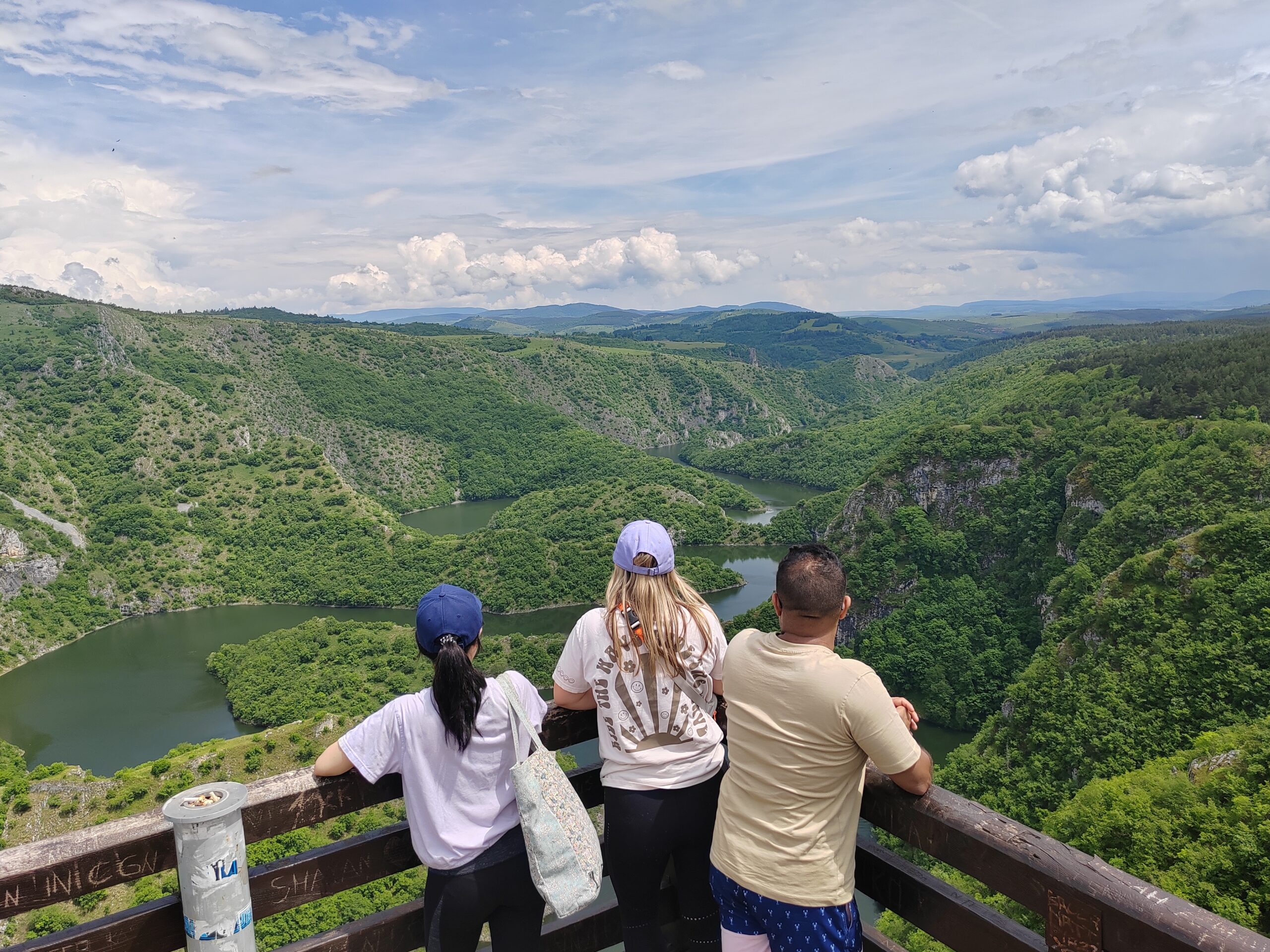
Yes, the one from Instagram. Even the photos take your breath away—seeing it live is next level. One of Serbia’s top hiking trails, it’s also home to the rare griffon vulture, a massive bird with a wingspan that looks unreal in flight.. Bring your binoculars and camera—your feed’s about to explode and your eyes will thank you too.
Gradac River – The Cleanest Wilderness in Europe
You can literally drink straight from it while hiking along this cristal clear river, filled with secret swimming spots and peaceful camping areas. Hidden in its valley is Gradac Monastery, dating back to the 13th century—because no corner of Serbia is without some story carved in stone.
Fruška Gora – City Escape Just Minutes from Novi Sad or Belgrade
This national park is filled with lakes, vineyards, and peaceful trails. Known for its wine, food, and ancient monasteries, Fruška Gora is perfect for a hike, a picnic, or just a lazy afternoon with a bottle of local wine. When the city gets too loud, this is exactly where you go.
Step 4: Culture and Vibes
Serbs are passionate, proud, open-hearted, fun-loving, and always up for a good time. Expect (too)long meals, strong opinions, and generous pours of rakija. Learn a few Serbian words—or at least how to say živeli when you toast—and you’ll be part of the crew in no time. The cultural scene? Endless. Museums, galleries, underground events- whatever your taste, budget, or vibe, Serbia has something for you.
Step 5: Eat. Everything. A Lot.
Serbian food is the comfort food you didn’t know you needed. Grilled meats (ćevapi, pljeskavice), roast pork, savory pastries (burek, pita), local cheeses, creamy kajmak, and warm bread with every meal. It’s a full-on sensory party that may add a few pounds—but it’s worth every bite. Vegetarians, don’t worry—there are options, but Serbia leans proudly carnivore. And whatever you do, don’t turn down the rakija. It’s more than a drink—it’s a tradition.
Still hungry? Here’s why Serbian food deserves its own blog post — and yes, it involves a lot of meat, bread, and ajvar.
Final Thoughts – Why You Need This Travel Guide to Serbia
Serbia isn’t polished or overly touristy—and that’s its magic. Where else can you explore movie-like castles with no crowds, hike for miles without seeing another soul, and be treated like family by complete strangers? Whether you’re coming for history, hiking, partying, or food, you’ll leave with a full heart, a few wild stories, probably a bottle of rakija in your bag—and don’t be surprised if you pick up a godparent or a lifelong friend along the way.
That’s Serbia.
See you soon? Živeli!