All About Serbian Food… Do Not Read Hungry!
Let’s get one thing straight: traditional Serbian food isn’t fancy. It’s not delicate. And it won’t serve you three dots of sauce on a plate the size of a Yugo 45 steering wheel. But it will feed you like you’ve spent the day chopping wood and hiking up a mountain — which, frankly, is the spirit in which food in Serbia was born. It had to feed a lot of hungry people with limited resources and a lot of hard labor. So Balkan food is typically rich, heavy, filling, and unapologetically flavorful. In Serbia, you don’t need to ask if something is organic – everything is organic here! Doesn’t matter if you’re in downtown Belgrade or a village backyard, food is the heart of every Serbian table, every story, every celebration. This is your no-nonsense guide to Serbia on a plate.
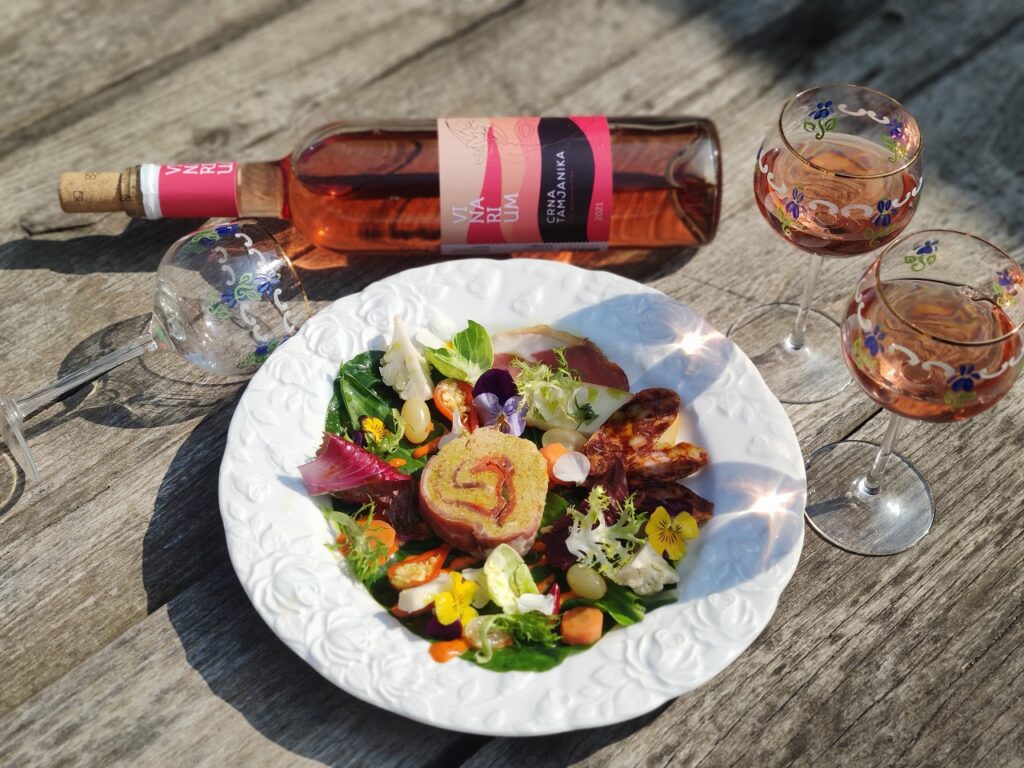
Must-Try Traditional Serbian Food Dishes
Let’s start with a classic, a culinary icon, a traditional Serbian food that defines comfort: sarma — fermented cabbage leaves stuffed with meat and rice, a bit of dried meat or bacon on the side, slow-cooked for hours until everything melts together into one perfect dish. And ajvar? That’s not a side dish. That’s an institution in food in Serbia. Roasted peppers turned into a divine spread, each family swearing by their own “real” recipe, passed down like a family heirloom.
Then come the ćevapi, prebranac, stuffed peppers, pihtije, kajmak — names that may sound unfamiliar, but they form the soul of Balkan food and represent everyday flavors of Serbia you’ll remember long after your trip. Possibly for life, as some say.
The Essentials of Traditional Serbian Food: Slow Cooking and Local Flavor
In Serbia, food is cooked slowly — because that’s how it should be. No rush when it comes to eating. Some things are worth the wait. Beans simmer for hours. Meat roasts low and slow. Soups bubble while stories are told. No exact measurements — “the way grandma did it” is the gold standard. Maybe “two handfuls of this or that,” maybe “just eyeball it.”
Food comes from next door: eggs from the neighbor’s hens, cheese from your aunt, tomatoes sun-dried on a balcony and drowned in olive oil brought back from vacations in Montenegro, Croatia or Greece. Every bite has a backstory. In cities, those less lucky to have their own garden suppliers shop at the green markets. Each one has its own grandmas and grandpas, with hardworking hands selling the eggs, veggies, and cheese they maded themselves.
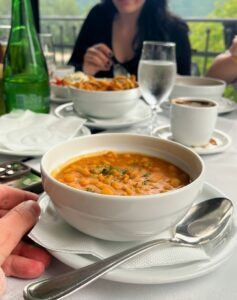
Where to Eat Like a Balkan Grandma Invited You
If you want a home-style meal — go to a kafana. Sounds counterintuitive, but it’s true. Wooden chairs, checkered tablecloths, a bottle of rakija on the table, Cyrillic menu. Try Zavičaj, Kalenić, Dva Jelena or any kafana in Belgrade’s Skadarlija district or Zemun, by Danube. Or hit up a local place in Niš, Čačak, Novi Sad… Odds of picking a bad kafana? Practically zero.
Hot tip: If a place looks like time forgot it — that’s where you’ll find the best beans.
Balkan Breakfast in Serbia: A TikTok Sensation, Real Tradition
People laugh when they see “Serbian breakfast” on TikTok — meat for three people, fresh bread (lots of it), cheese, eggs, more bread. But that’s not a meme — that’s reality. Komplet lepinja is a national treasure. Add cornbread, fried dough, stuffed pastries, and of course, strong homemade coffee. Rakija before breakfast? Old Serbian secret for a long (and stressless!) life. A proper breakfast and you’re ready for the day. Or a nap. Depends on your style.
Rakija, Wine and Coffee: Serbia’s Liquid Traditions
No meal is complete without a drink. Rakija comes first. Plum, quince, pear — or if you’re brave, all of them. This fiery Serbian spirit is ideal for breaking the ice, building up courage, celebrating life, love, job promotions… even heartbreak. In Serbia, you might see a grandma doing a rakija shot with her grandson, toddlers dipping fingers into beer foam, and stylish women conquering hilly Belgrade in heels after a bottle of wine. Safe to say, alcohol is woven into the national identity.
Serbia’s wine scene, like the whole region, is blooming — especially in Fruška Gora, Negotin, and Župa. Red, white, organic, local. Wineries set in dreamy landscapes often come with cozy hotels or spa escapes — and naturally, amazing food. And then there’s coffee. Not espresso, although it’s everywhere. I mean turkish-style coffee — strong, slow-cooked, enjoyed over long chats. That’s what “coffee” means in Serbia.
Modern Twist on Old Recipes: The New Serbian Cuisine
The new generation of Serbian chefs isn’t tossing tradition — just giving it a makeover. In restaurants that are hard to pick favorites from, classic dishes get a fresh face: ajvar foam, sarma bites, slow-roasted beef with truffles from Tara mountain.
The taste stays true. That’s the point of local cuisine. The real difference? The service. The ambiance, the colors, the textures — in many Serbian spots, it’s all Michelin-level, just without the snobbery.
Where to Find the Best Food in Serbia
Hungry at 3 a.m.? Grab a pljeskavica from a kiosk. Which one? Just find the longest line. Want quiet with a view? Head to Zemun or the Sava quay. Serbia really has it all — high-end restaurants, legendary street food joints, little barbecue heavens, quirky spots tucked into nature, and service — that warm hospitality that’s becoming increasingly rare when traveling around Europe. If you’re thinking about visiting Serbia, chances are you’ve already read our ultimate Step by Step Travel Guide to Serbia — and if not, now’s the perfect time to dive in.
Pro tip: trust the locals. If truckers are eating there — you’ve found the place.
Seasonal Joy and Food Festivals Across Serbia
In Serbia, people eat seasonally. That’s what Serbian grandmas taught us — food is eaten when God intended. Spring brings lamb and fresh greens, cherries, green onions, and the tastiest baby potatoes the size of marbles. In summer, tomatoes smell like they should — that forgotten scent that intoxicates. Until you come to Serbia, you don’t realize we’ve been eating just a shadow of real tomatoes. Autumn has a stronger smell — of ajvar, pork cracklings, plum jam, roasted peppers in garlic and oil. Winter is for roasted meat, pickled vegetables, and rich cakes with nine layers.
Festivals? They’re everywhere. The Roštiljijada in Leskovac, Ajvarijada, Rakijada… Everything is a reason for good food, music, and a full table.
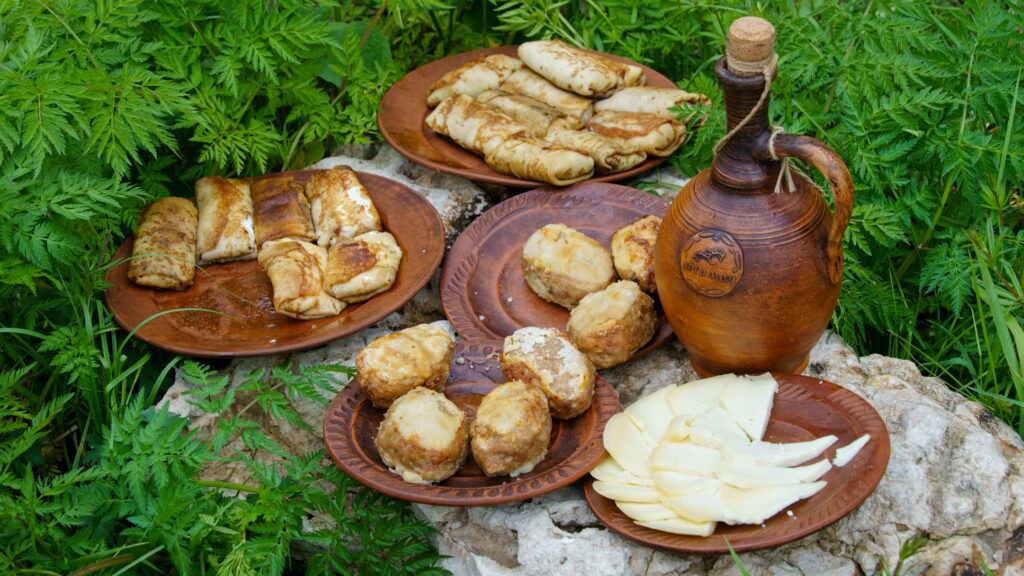
What Makes Traditional Serbian Food So Unique: Final Bite
Food in Serbia isn’t just fuel — it’s a way to connect, to celebrate, to argue, to sing. Serbs respect food and the table they eat at — as well as the person they invite to sit with them. If a Serb invites you to their slava (patron saint’s day), it’s not just a sign that you won’t be able to button your pants by the end of the day — it’s a sign you’re now part of the family circle, and that you’re welcome in that family.
Come to Serbia hungry. Leave full. And a little bit in love.
Živeli!