So… What to do in Serbia?
When travelers search for what to do in Serbia, the answers tend to follow the same path: historic fortresses, music festivals, or mountain resorts like Zlatibor and Tara. But some of its most rewarding places to visit in Serbia don’t show up in top 10 lists, and that’s exactly why they matter.
If you’re curious about things to do in Serbia that go beyond the usual recommendations, start here. These suggestions are often overlooked, but quietly offering the kind of depth and atmosphere that big organized tours tend to miss.
Two destinations stand out: Zemun, a distinctive neighborhood within Belgrade, and Subotica, a northern city with architectural elegance and cultural layers rarely mentioned in mainstream travel guides.
Zemun: The Other Face of Belgrade
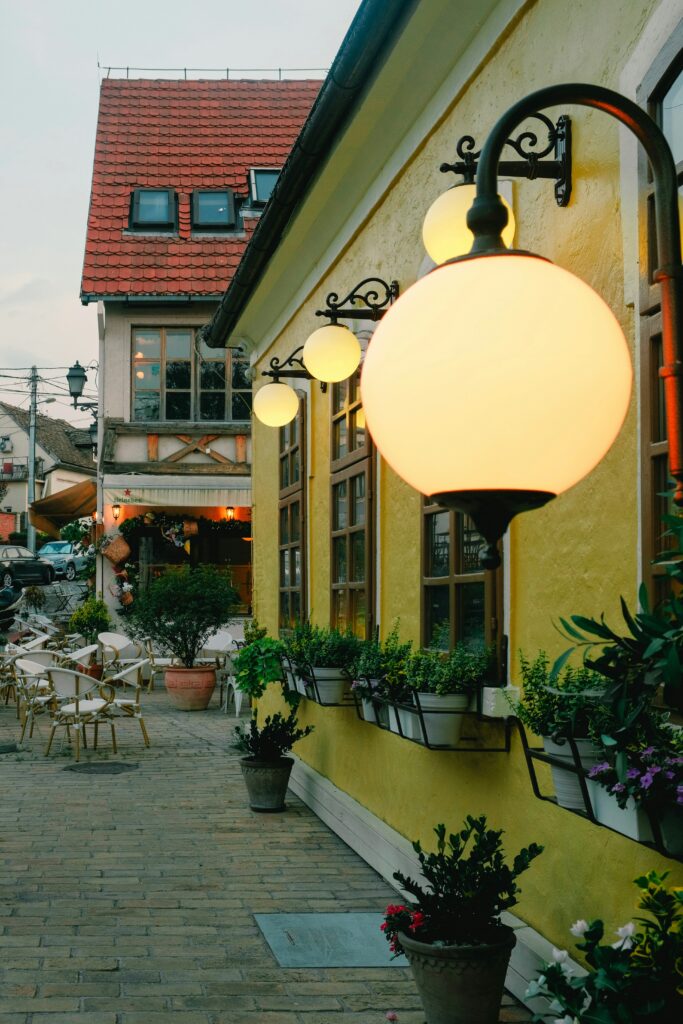
Zemun is officially part of Belgrade. But try telling that to someone from Zemun. You’ll probably get a smirk, maybe an eye roll, and definitely a story. Here, people don’t say they live in Belgrade, they say they’re from Zemun—like it’s a different planet with better food and slower afternoons.
The rivalry between Zemun and “real Belgrade” is part joke, part identity. Cross the bridge, and everything changes— you can tell that the air feels different. The streets lose their grid. Life stops sprinting and starts strolling. Even the river takes its time.
Zemun doesn’t care about fitting in with the capital. And honestly, it’s more fun that way.
While central Belgrade leans into energy and density, Zemun holds onto history and space.
For tourists who want authenticity over spectacle, Zemun is worth every step.
A Neighborhood Built on Memory
Zemun’s layout refuses symmetry. Narrow streets curve with the hill. The facades are chipped, pastel, and sun-worn. Nothing feels manicured, but everything feels intentional. This isn’t a place trying to attract attention, Zemun already knows who it is.
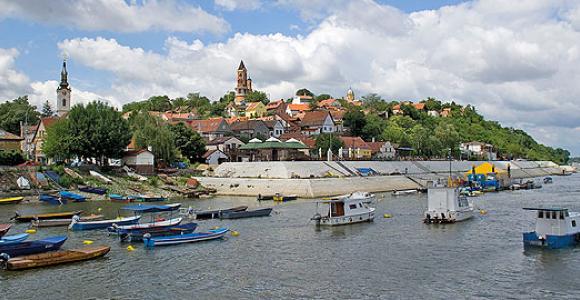
The focal point is Gardoš Tower, built in 1896 by the Austro-Hungarians. It’s not massive, but the view from the top stretches across the Danube and into Belgrade’s industrial sprawl. In every direction, you see contrast—Zemun’s calm against the city’s pace.
Along the River: Zemun Quay
If you’re looking for things to do in Serbia that involve open space and a slower rhythm, head to Kej Oslobođenja, Zemun’s riverside promenade. Mornings are for joggers and fishermen and afternoons bring espresso drinkers and chess players. By sunset, lights flicker on the water as floating bars and restaurants begin to fill with people and music.
Nature in the Middle of the Capital
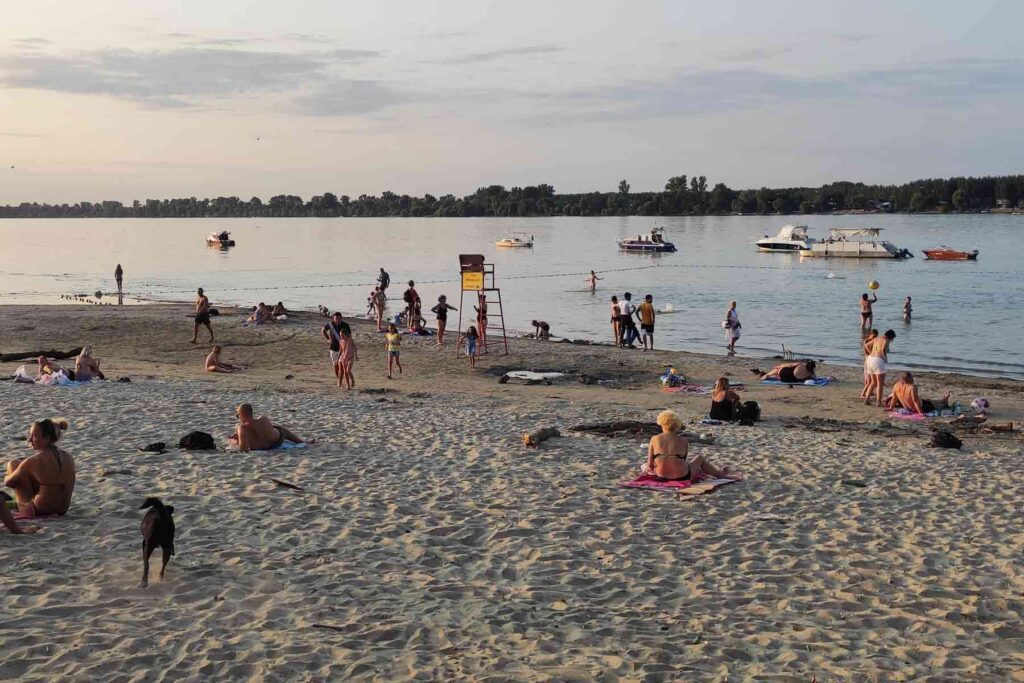
Just across the river lies Great War Island, a protected natural reserve. This wild, car-free island somehow exists in the middle of the capital. In summer, there’s a floating bridge that lets you walk straight onto the island. Otherwise, your best option is to rent a kayak and paddle your way there—which, honestly, is half the fun. By the riverbank is Lido Beach— sand, shade, shallow water, no buildings, no cafés, no noise, no beach clubs, no inflatable castles. And no entrance fee. Just trees, birds, and few people who wanted a break from city life without actually leaving the city.
Food Without Pretension
The food here leans heavily on river fish—grilled, stewed, or fried—and the prices rarely chase tourists. Long-standing taverns serve meals the same way they have for decades. Šaran specializes in river fish cooked with quiet expertise. Venecija, located on the quay, adds white tablecloths and Danube views. Salon 5, hidden in a residential building, operates more like a private dinner club than a restaurant.
If you’re the kind of traveler who prefers discovering places by smell, Zemun’s bakeries and street food vendors won’t disappoint.
Evenings Made for Music, Not Crowds
Nightlife here isn’t scheduled, it just happens, naturally. Converted houses host live jazz, floating bars carry local sound across the river. Places like Paša offer slow music, really nice food and drinks without pressure.
For visitors looking for what to do in Serbia after dark without the chaos, Zemun is the answer.
Subotica: Style and Stillness
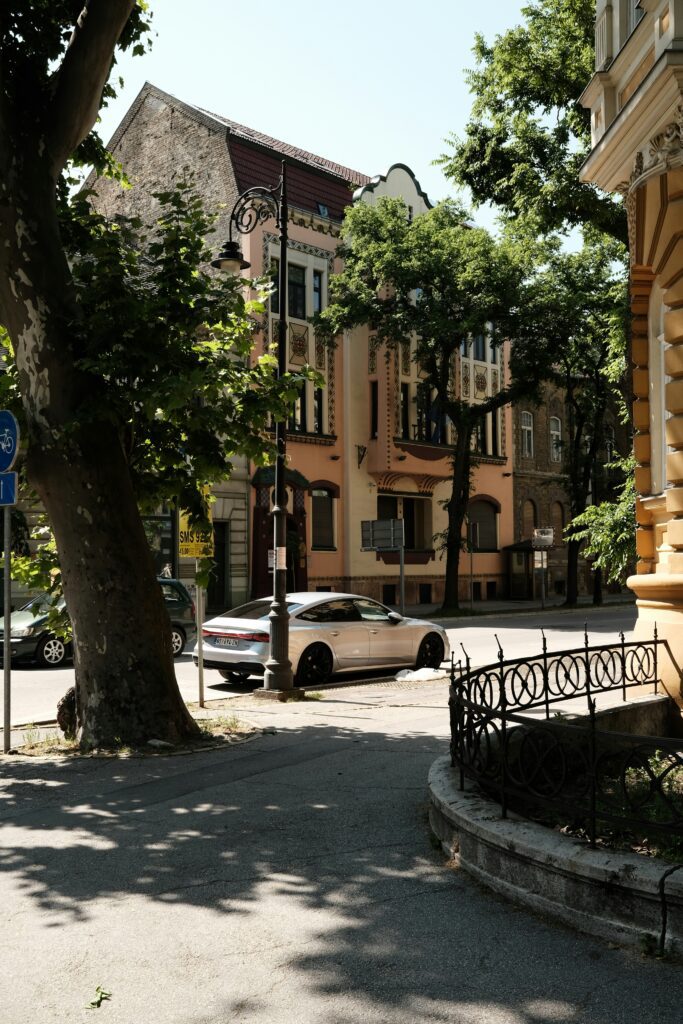
In the far north, near the Hungarian border, Subotica offers a truly unique experience. A quiet town that looks like it has been plucked straight from a work of art.
If you want to see authentic architecture, enjoy cultural events, and savor great food — all without the crowds — Subotica is one of Serbia’s most overlooked gems.
Art Nouveau, Done Properly
Subotica is one of the best-preserved Art Nouveau towns in the region. Here, the buildings are not just old, they speak a language understood only by those who truly listen. The town hall, the heart and symbol of Subotica, was built between 1908 and 1912. With its patterns of stylized flowers, ceramic floral jewelry, and wrought iron details, it remains as stunning inside as it is from the street. It stands as one of Central Europe’s most valuable examples of this architectural style, characterized by bold, modern solutions, stained glass decorations, and motifs drawn from Hungarian folklore — stylized roses, lilies, carnations, and peacock feathers.
The large central dome, symbolizing the universe, rests on four smaller domes representing the four corners of the world.
Lake Palić — a former Austro-Hungarian bathing spot
Seven kilometers from the center lies Lake Palić. It is known for its bird islands, where many birds nest, a protected ancient species of oak, as well as recreational and sport fishing.
There is no noise, big souvenir shops, or loud music here — just families on bicycles, pensioners feeding numerous swans, and visitors wondering why more people don’t talk about this place.
Don’t skip Palić and its lake!
Eat like you’re somewhere else… oh wait, you’re in Serbia
The food people try in Serbia is certainly one of the impressions that lasts the longest — I know someone who has been talking about the “mantija” from Novi Pazar that she once ate on a trip to Serbia for 30 years. After all, haven’t you read our our detailed guide on how not to miss any gastronomic pleasure when visiting Serbia?
Abundant stews, strong sausages, the dominance of paprika, and layered pastries fill the menus — the Austro-Hungarian influence is also clearly visible here.
Culture That Isn’t Commercial
Subotica’s cultural life may not boast large, mass events — but it is rich and consistent. Theaters hold performances in multiple languages, community festivals like Interetno bring together folk traditions from across the region. Smaller galleries often focus on local artists.
For travelers interested in connecting deeply with Serbia, those who want to experience local traditions up close rather than from a distance, Subotica is easy to explore and hard not to love.
Final Thoughts: What to Do in Serbia (often skipped by inexperienced travelers)
The best things to do in Serbia aren’t always the most advertised. Zemun and Subotica aren’t hidden—they’re just not loud. Zemun offers a different side of Belgrade. It’s a place to slow down, eat well, and wander without a route. Subotica offers a visual and cultural change of pace, full of color, calm, and character.
For those planning what to visit in Serbia, these two destinations offer variety, depth, and the kind of local magic that turns a trip into something personal.
- Want the best-known sights instead? Here’s where to start.